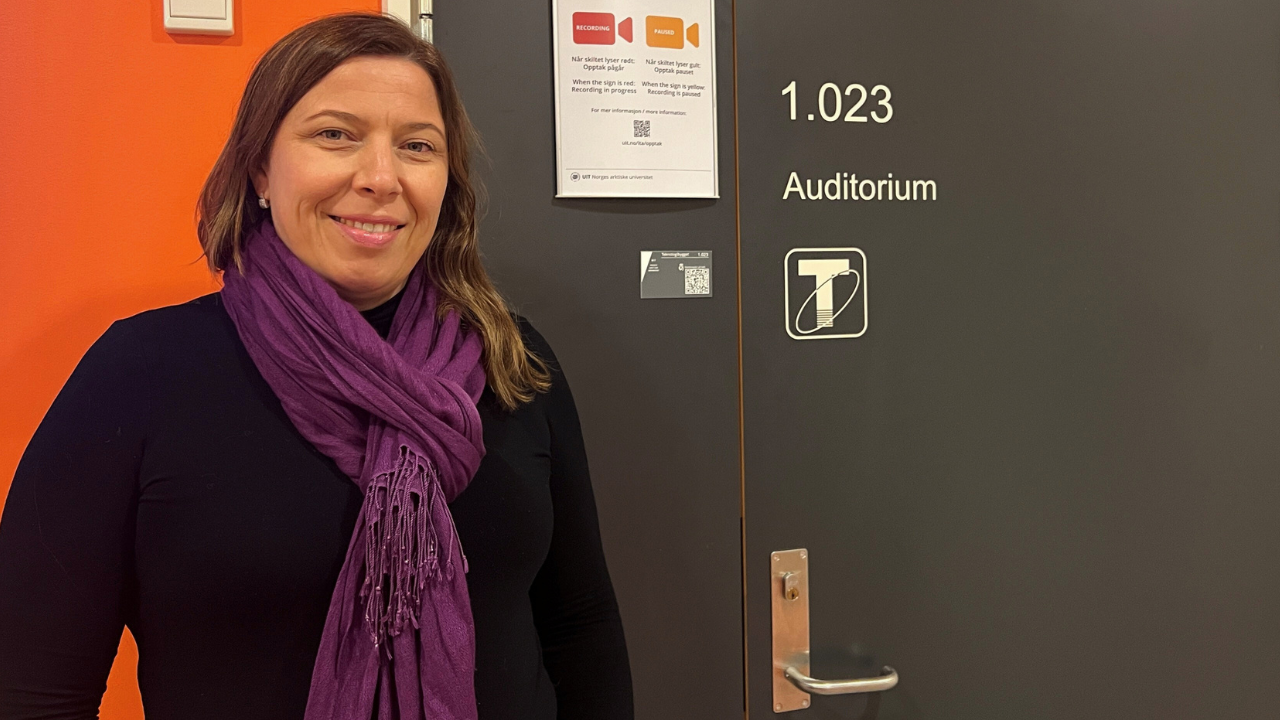
Between 10 and 14 November 2025, Dr hab. Weronika JAKUBCZAK, University Professor from the Institute of Internal Security at the Fire University, and Lieutenant Colonel Dr hab. Eng. Bożena KUKFISZ, University Professor and Head of the Department of Combustion and Explosion Theory at the Faculty of Safety Engineering and Civil Protection, participated in a mobility visit under the Erasmus+ Programme (Staff Mobility for Teaching) at a partner institution – the Arctic University of Norway (UiT) in Tromsø, Norway.
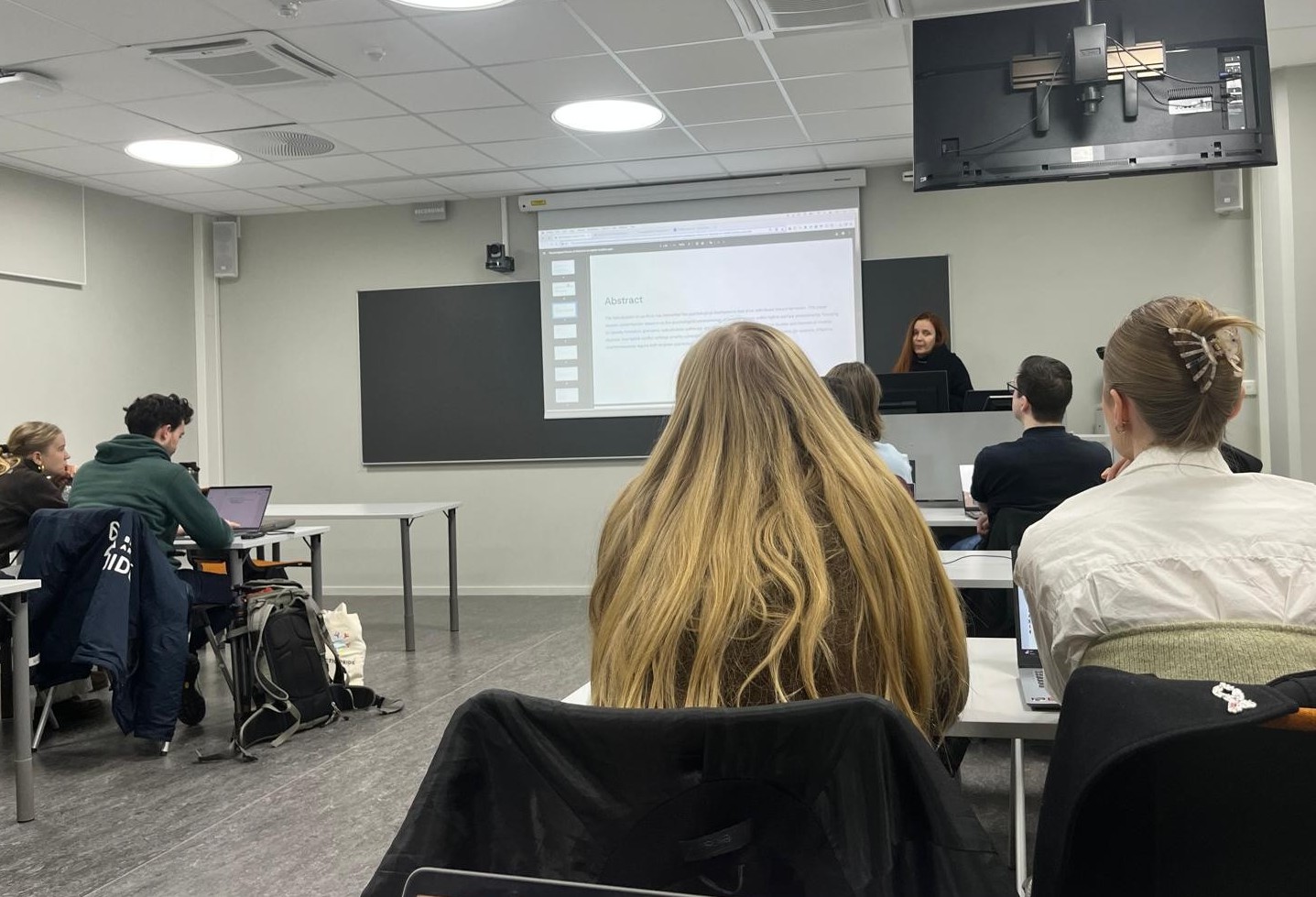
The intended objectives of the visit were achieved in a multifaceted and interdisciplinary manner through the exchange of knowledge and experience in teaching and research, as well as through gaining deeper insight into the research potential of the host institution and presenting that of the sending institution. As part of the teaching activities carried out under the supervision of Professor Monika Gabriela BARTOSZEWICZ – Professor in Societal Security and Safety, The Arctic Six Chair in Terrorism Studies at UiT, lectures based on the Socratic method and practical exercises were delivered on the following topics:
- Terrorist attacks and cognitive warfare in the age of grey zone activities,
- Psychological drivers of terrorism in hybrid conflicts,
- Hybrid Terrorism Seminar on Critical Infrastructure Resilience, organized by the Arctic Chair in Terrorism Studies,
- Civil protection and civil defense in Poland,
- Experimental study of dust inertization parameters, toxicity and smoke visibility analysis of fire products,
- Life cycle assessment,
- Presentation of the Fire University in Warsaw.
Particular attention was given to issues relevant for future cooperation, especially those related to civil protection and civil defense (CP and CD), including acts of sabotage and subversion, terrorist attacks (including state terrorism), large-scale population movements, and other aspects of hybrid threats. Additionally, discussions were held on how LCA analyses can be used to support strategic autonomy, particularly regarding protective solutions.
During breaks between sessions, consultations were held with students (on trauma, terrorism, migration, displacement, and resilience) as well as with the internship supervisor, Professor Monika Gabriela Bartoszewicz (regarding teaching methods, student engagement, and cultural differences). After classes, while exploring infrastructural and logistical solutions, the participants also established contact with a group of students working on a robotics project in one of the numerous rooms designated for individual or group work.
Additional consultations with Professor Bartoszewicz provided an opportunity to summarise the cooperation to date and outline potential future joint research areas, including:
– civil protection and civil defense, and resilience-building, particularly in the context of increasing hybrid threats in Poland, Norway, and other EU countries,
– multifaceted approaches to evacuation and the protection of cultural heritage,
– changes in the global security environment,
– hybrid threats, especially irregular migration, terrorism, cyberterrorism, psychological aspects of terrorism, cognitive warfare, and other key security issues.
Discussions also covered the opportunities and risks associated with the spread of artificial intelligence and the implementation of interactive classes on psychological resilience, with an emphasis on digital resilience and hybrid threats, including issues of trauma (PTSD, CPTSD, post-traumatic growth) and transgenerational trauma, as well as the impact of attachment styles on resilience.
As part of the exchange of best practices, a preliminary analysis was conducted on optimal scientific project management and acquiring financial resources for research.
The participants emphasised the growing scope of cooperation under the ERASMUS+ programme and broader international collaboration, such as through the Global Cooperation and Training Framework (GCTF) and other international internship formats, which have been made possible through cooperation between UiT and the Fire University.
Overall, the Erasmus+ mobility enabled the planning of further research in the area of security, to be continued in both the near and more distant future.
Special recognition is due to the remarkable engagement and intellectual agility of the students, as well as the excellent organisation provided by both the internship supervisor, Professor Monika Gabriela Bartoszewicz, and the Erasmus+ project coordinator, Ms. Jianfei Feng Sørensen, which ensured that the goals of the mobility were successfully achieved.