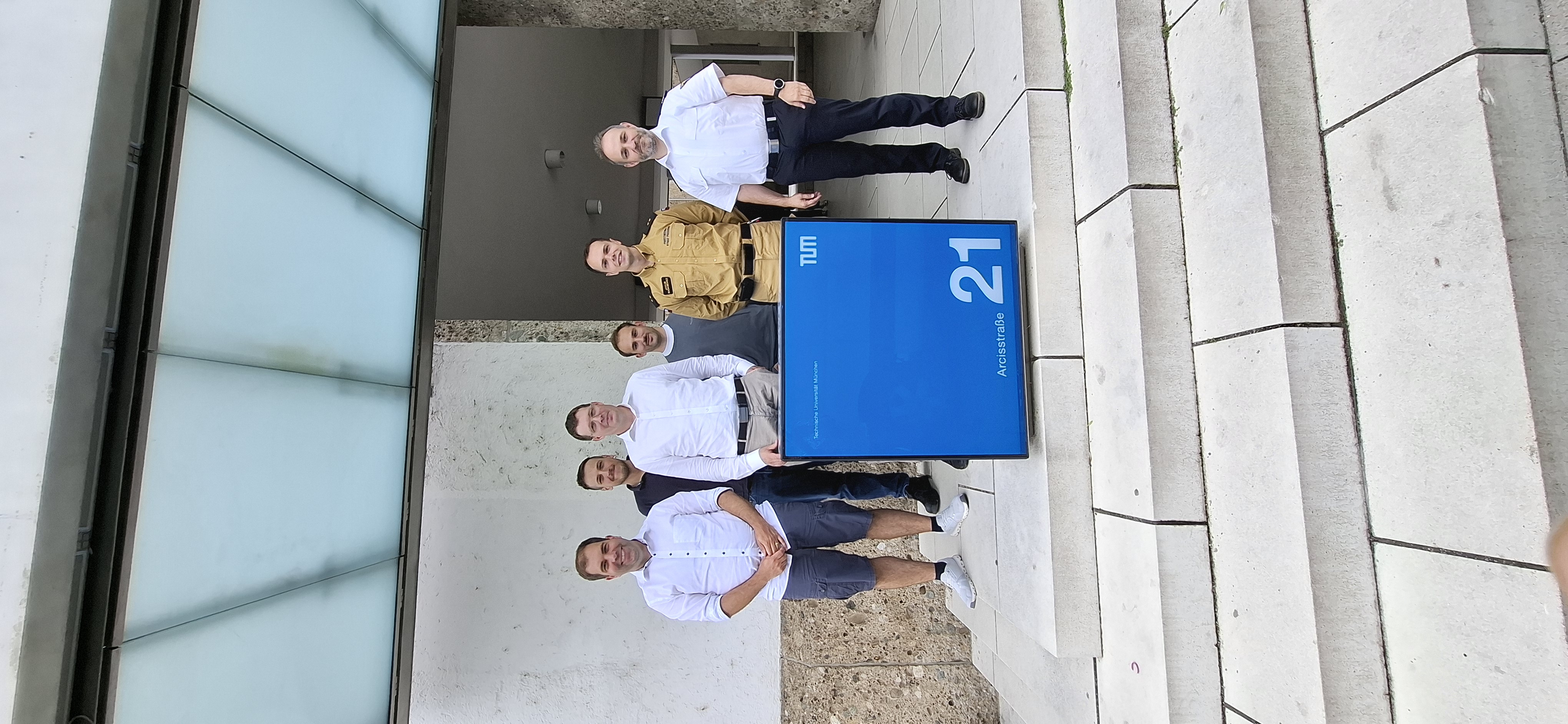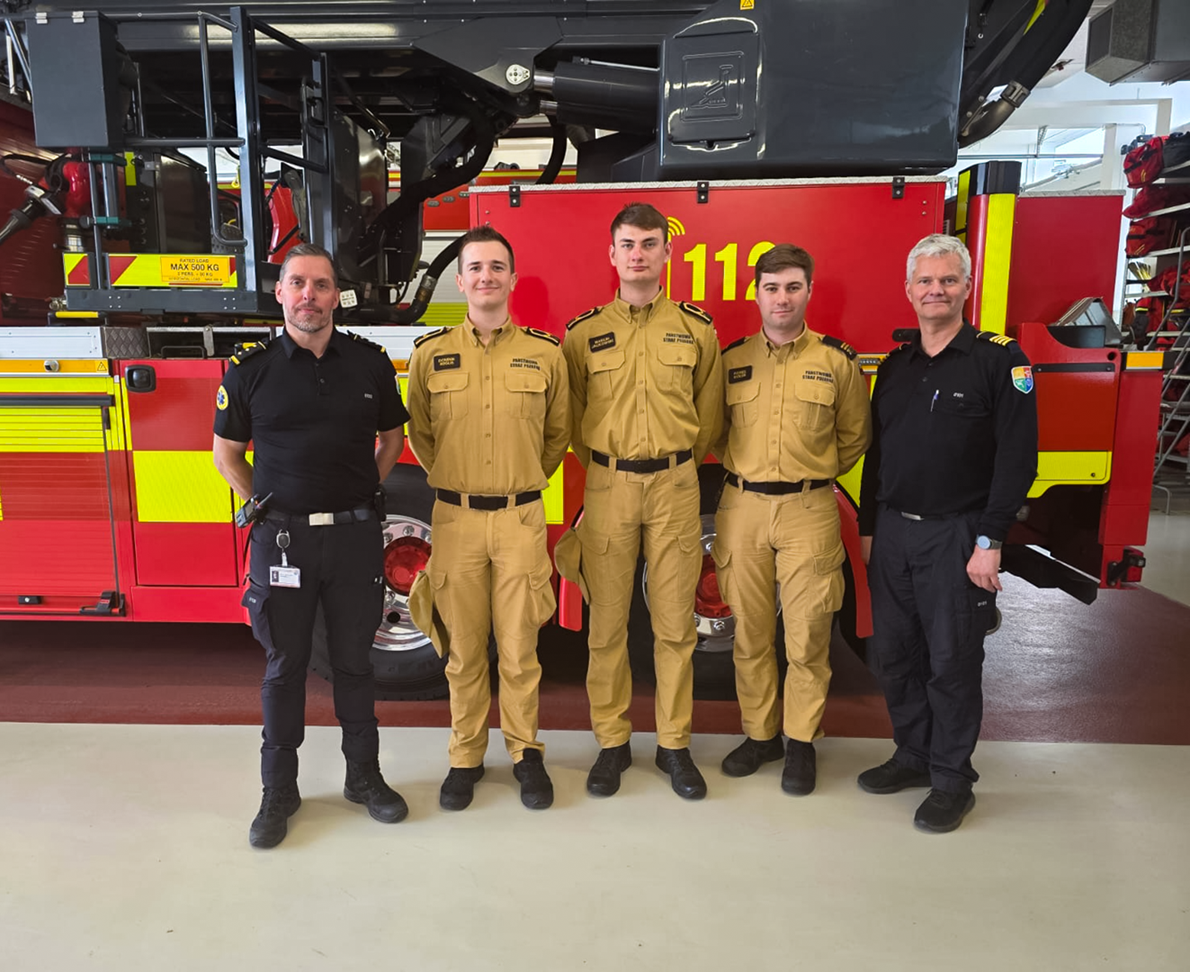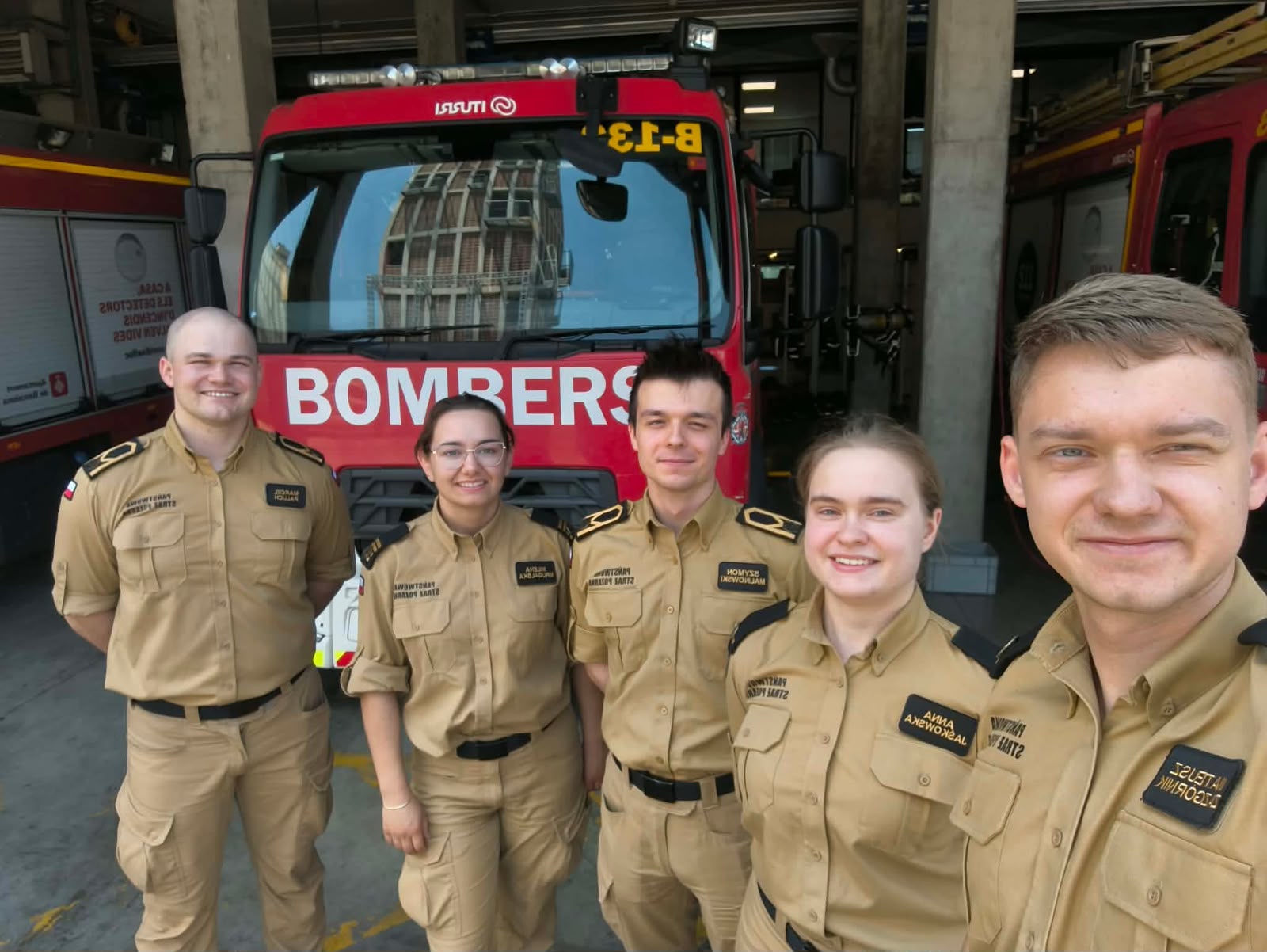
From 29 June to 3 July 2026, a group of five Fire University cadets:
- Cadet Szymon Malinowski,
- Cadet Marcel Paluch,
- Cadet Milena Mrugalska,
- Cadet Ania Jaśkowska,
- Cadet Mateusz Zazgórnik,
participated in a training mobility programme under Erasmus+ in Barcelona, Spain.
The first two days of the visit focused on study visits and learning about the organisational structures of the Barcelona Fire Service. The cadets visited, among others, Sala Conjunta de Comandament (SCC) – the Joint Command Centre, where they became familiar with the coordination of emergency calls and cooperation between different emergency services.
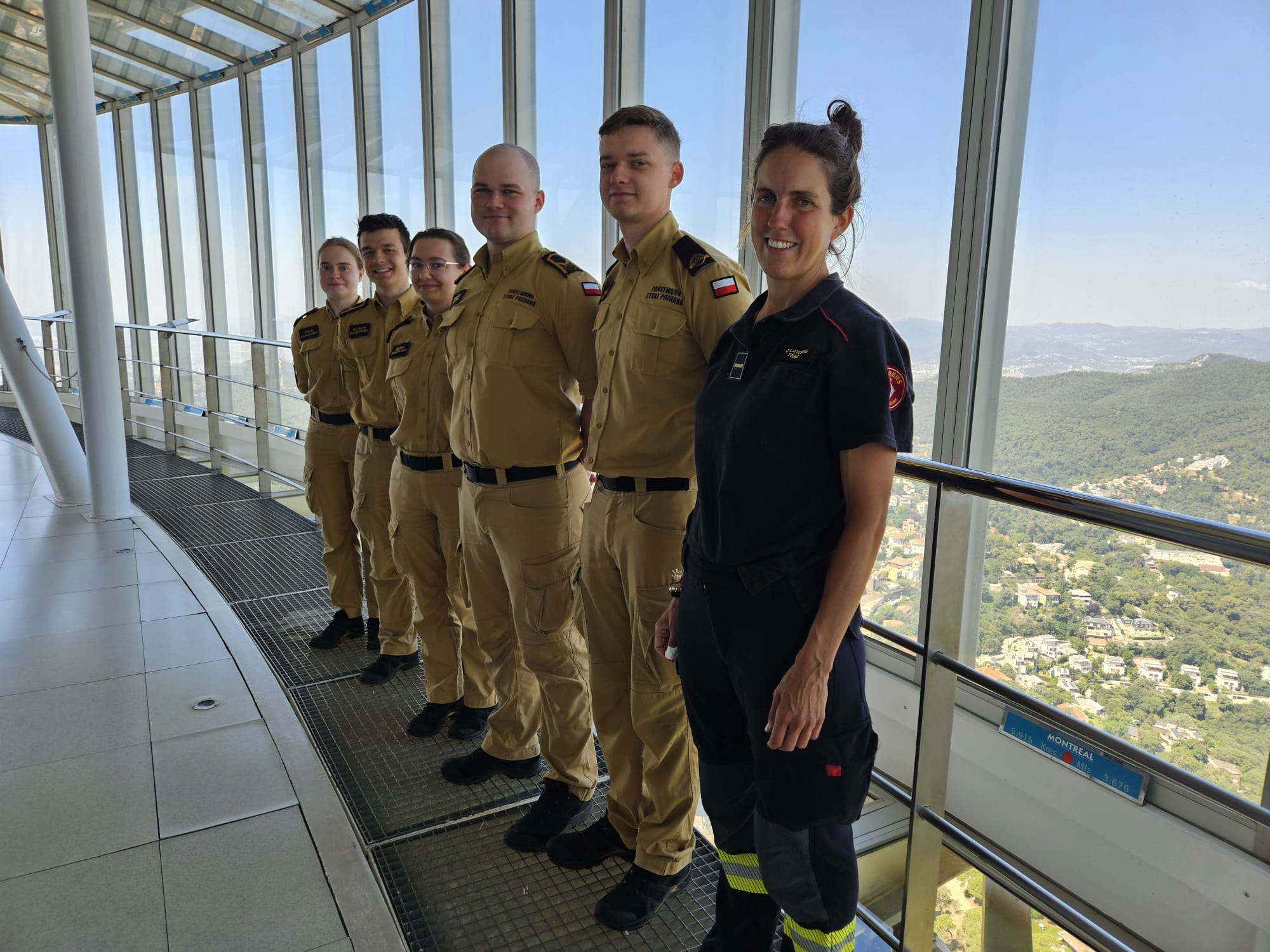
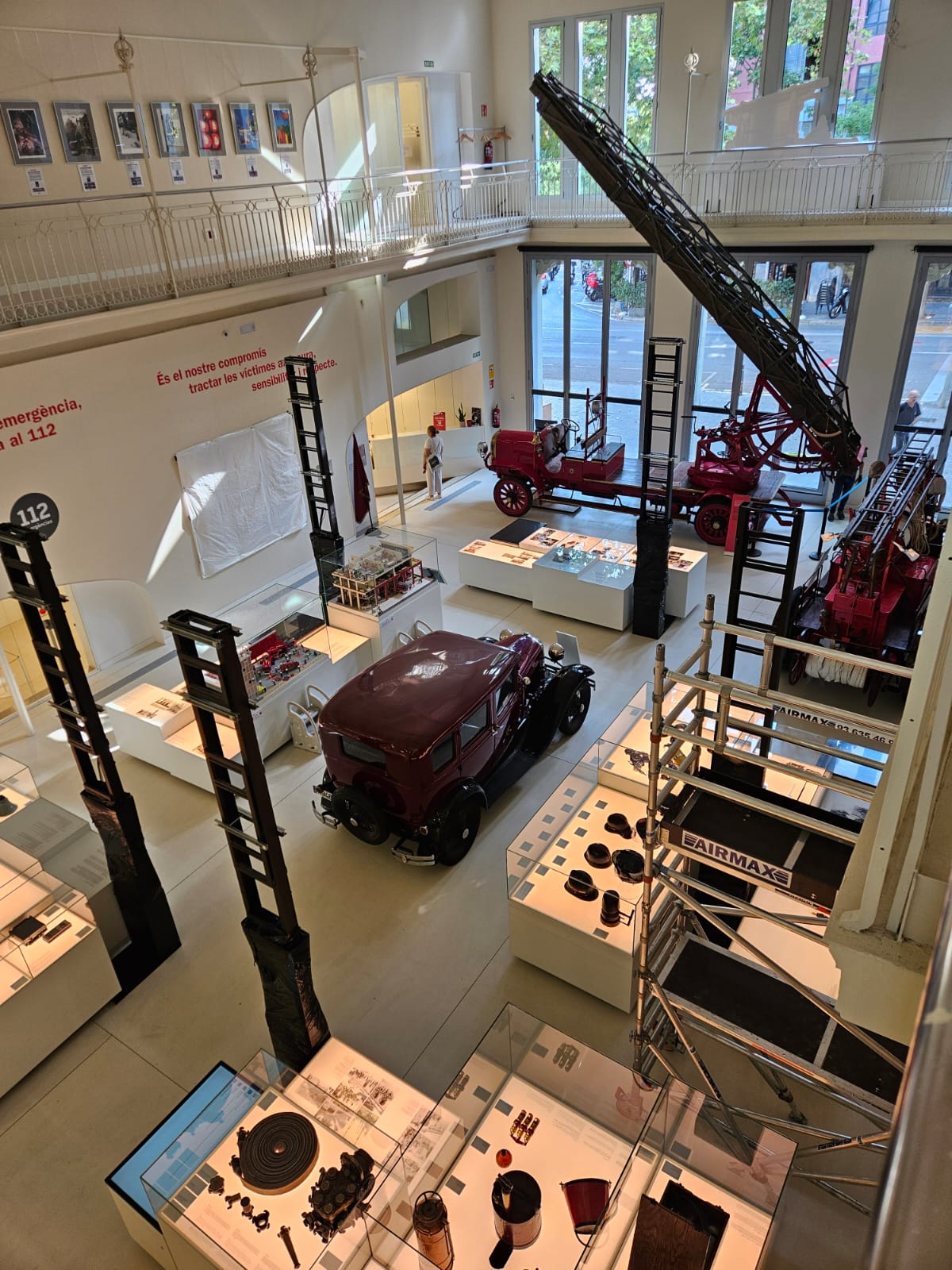
Another important element of the programme was a visit to Espai Bombers: Parc de la Prevenció, a facility combining educational and historical functions dedicated to fire prevention. The students also visited Torre de Collserola, which plays an important role in communication systems, monitoring and early detection of threats.
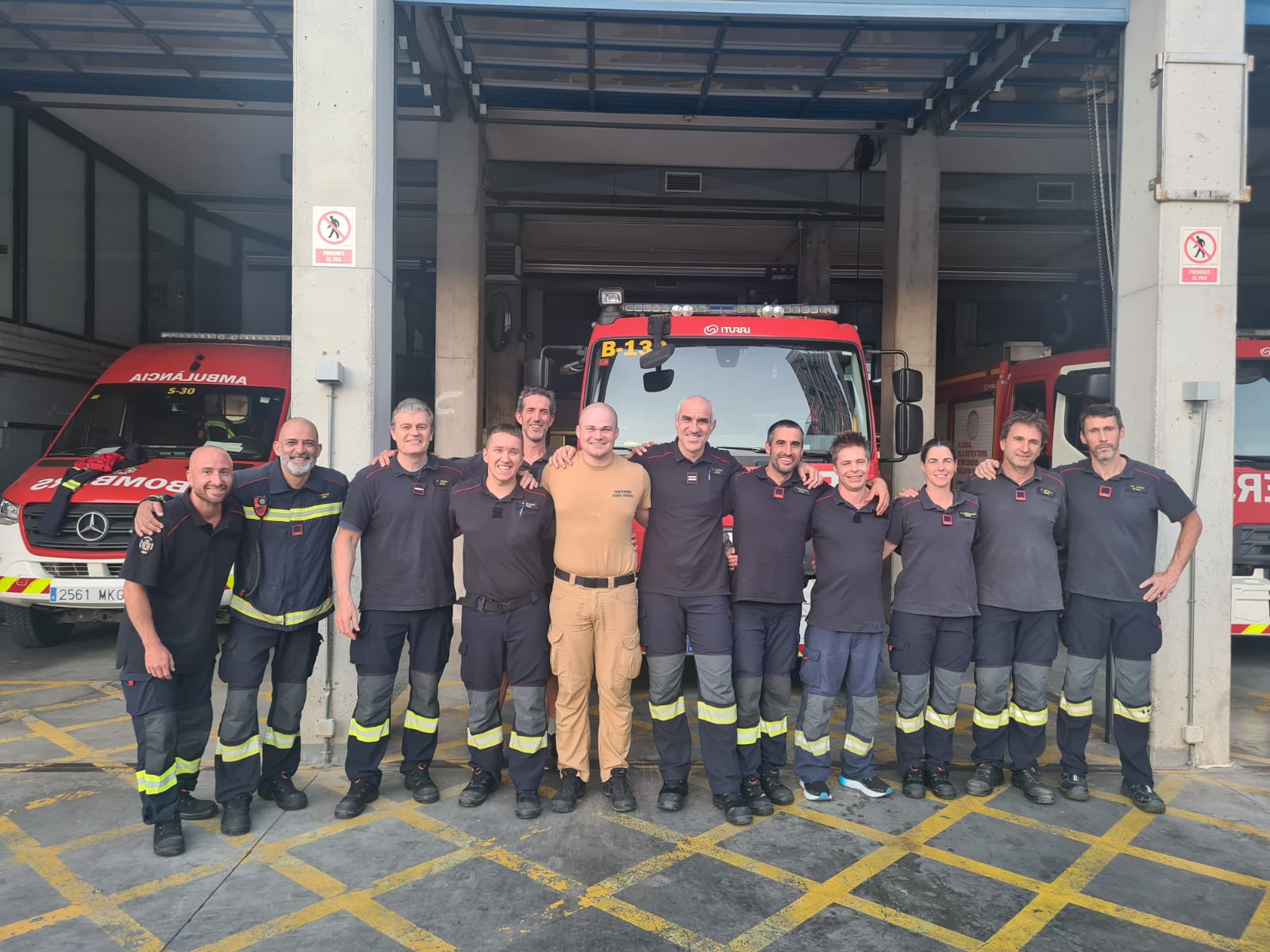
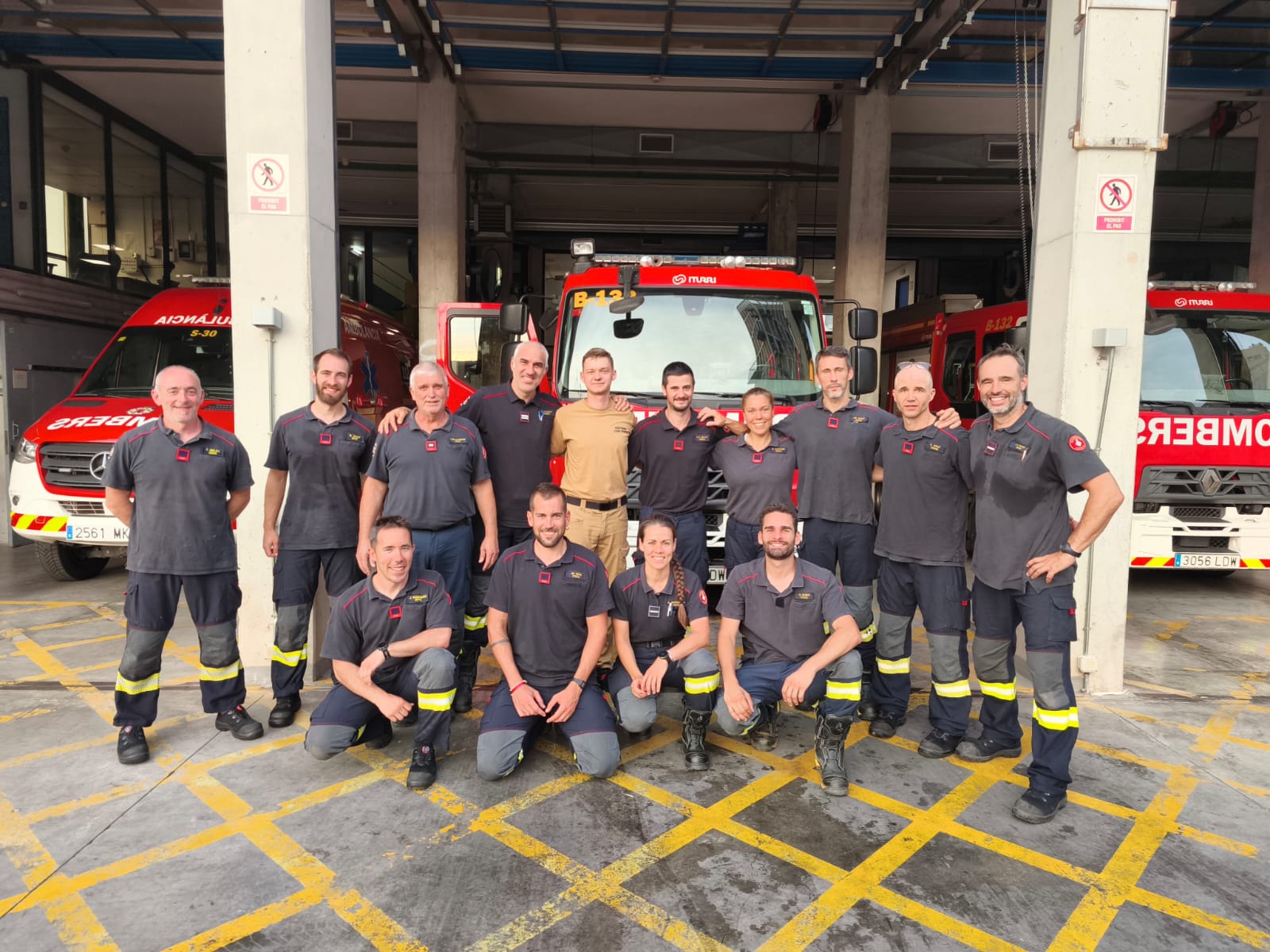
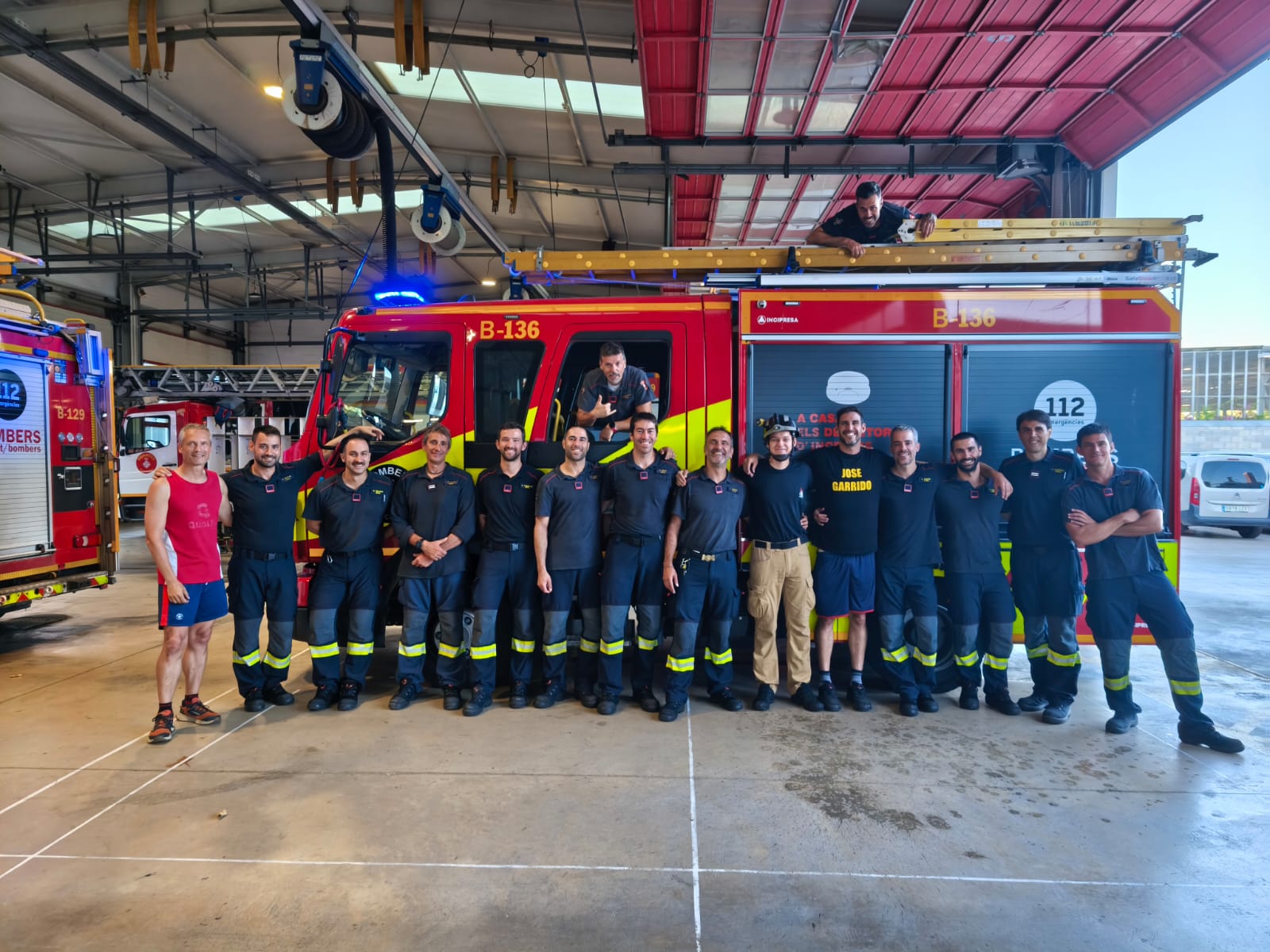
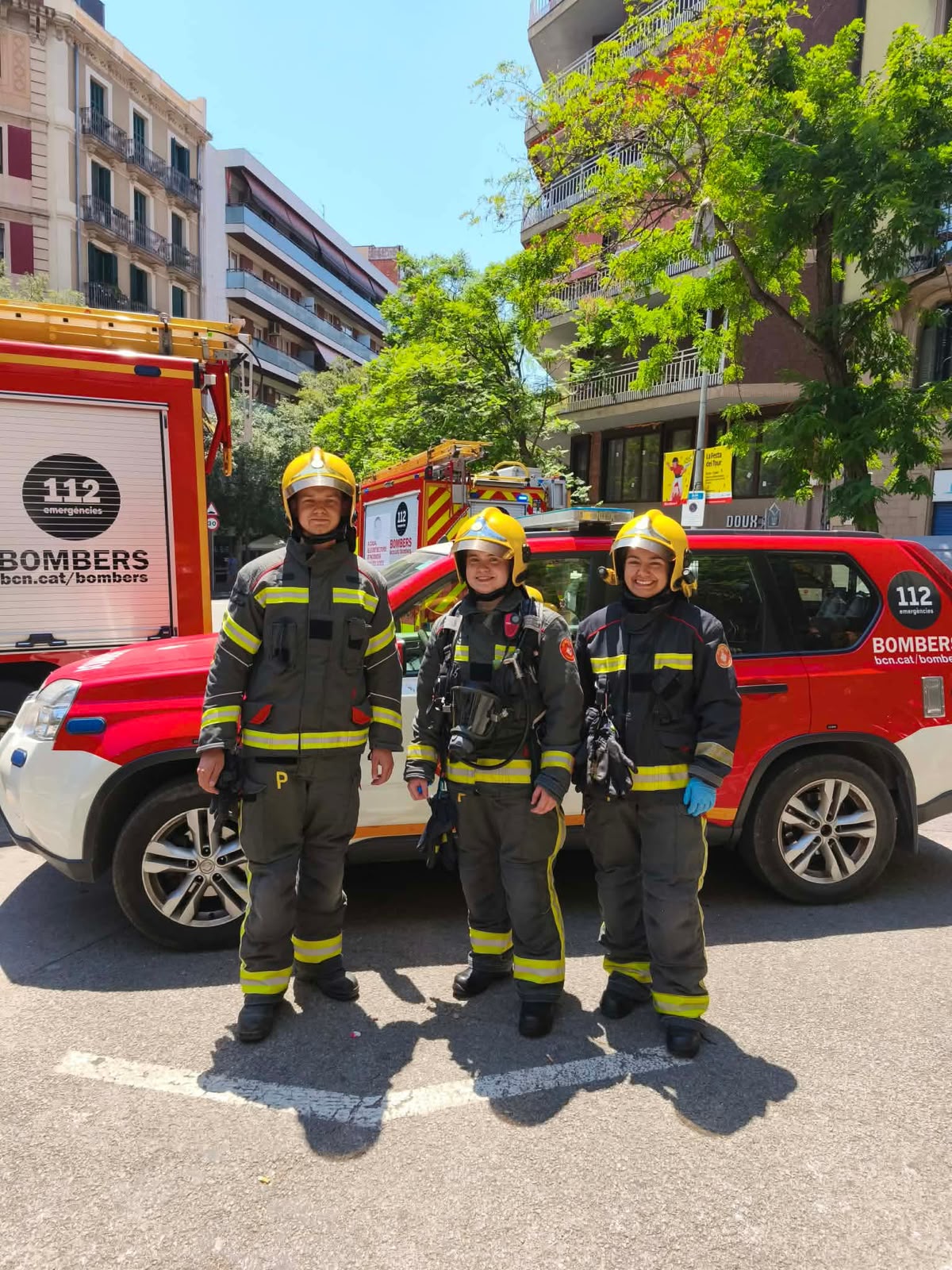
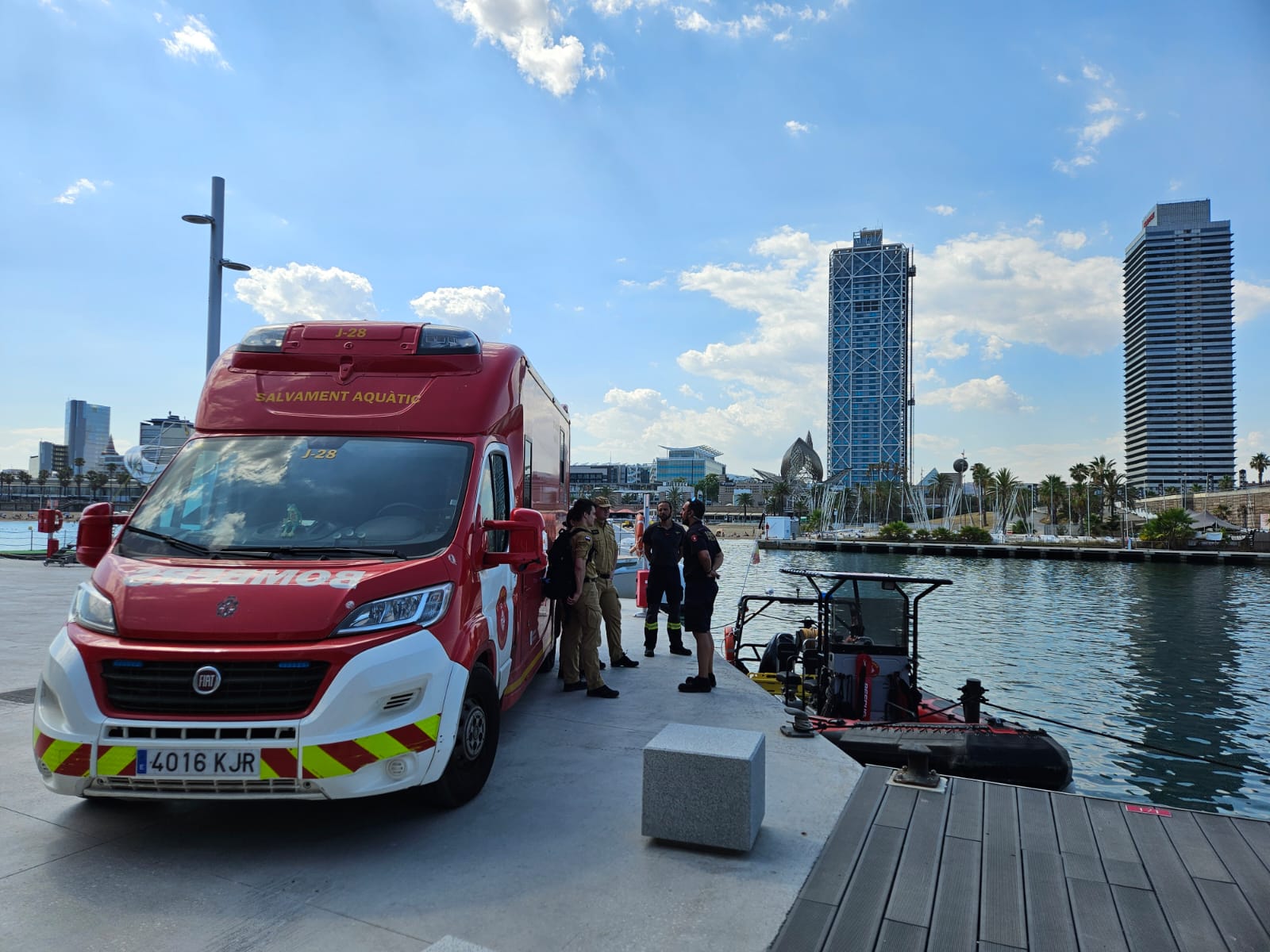
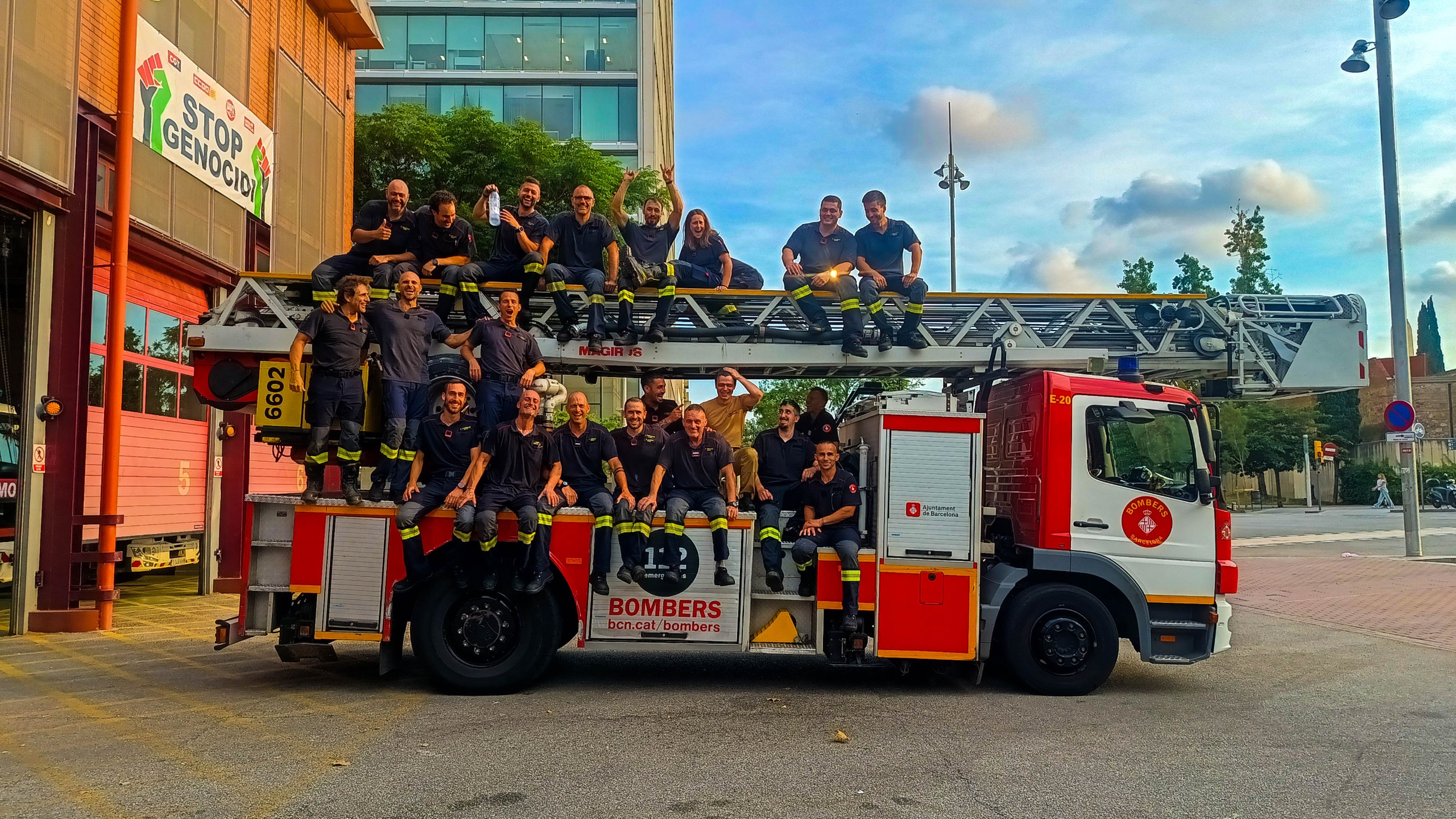
During the following three days, the participants had a unique opportunity to observe the daily work of Spanish firefighters by taking part in 12-hour shifts as observers at local fire stations. This practical form of mobility allowed the cadets to analyse procedures for dispatching resources and the organisation of daily operational service.
Throughout the entire mobility, several important topics were discussed. The main areas of analysis included emergency command procedures, the structure of civil protection and civil defence systems in Spain, as well as procedures for dealing with large-scale power outages (blackouts).
An important part of the exchange of experience was also the discussion of firefighter training systems, techniques used during daily interventions and the specific characteristics of firefighting operations and tactics in non-urban areas.
The visit was a valuable experience, allowing the cadets to compare Polish rescue solutions with the system operating in the Barcelona metropolitan area. The knowledge gained and international perspectives obtained during the mobility will certainly contribute to the further development of the cadets’ qualifications during their studies and future service as officers of the State Fire Service.