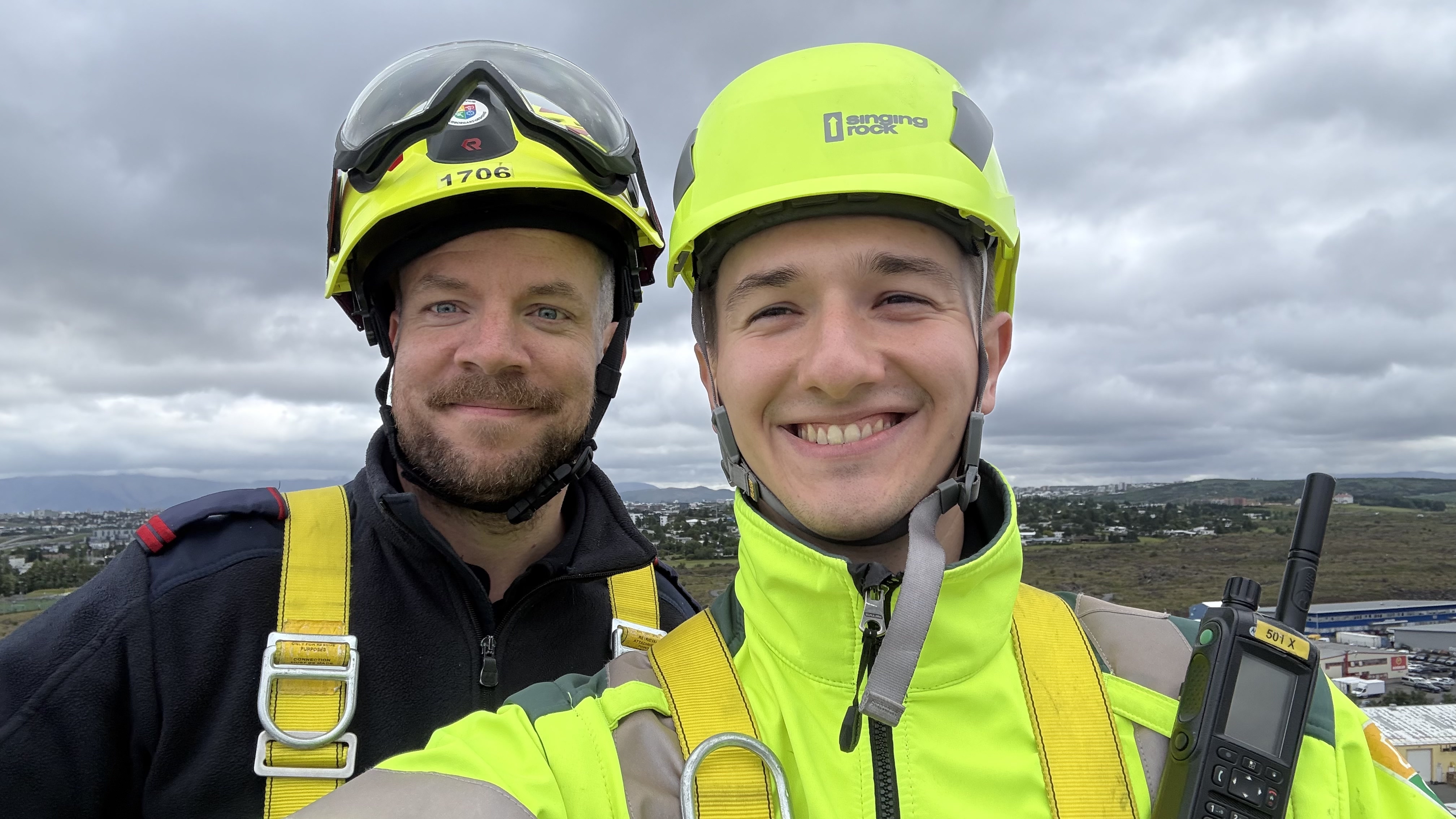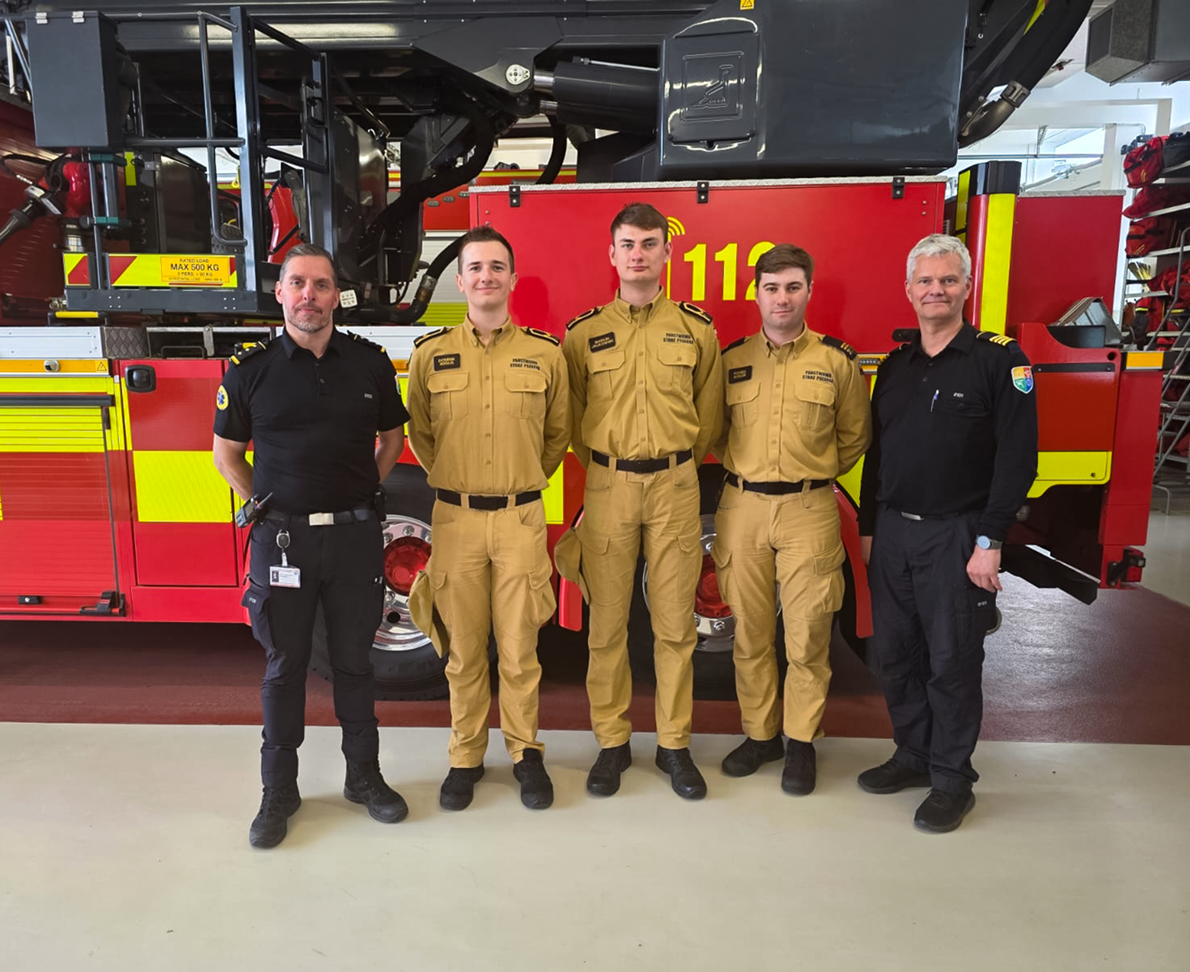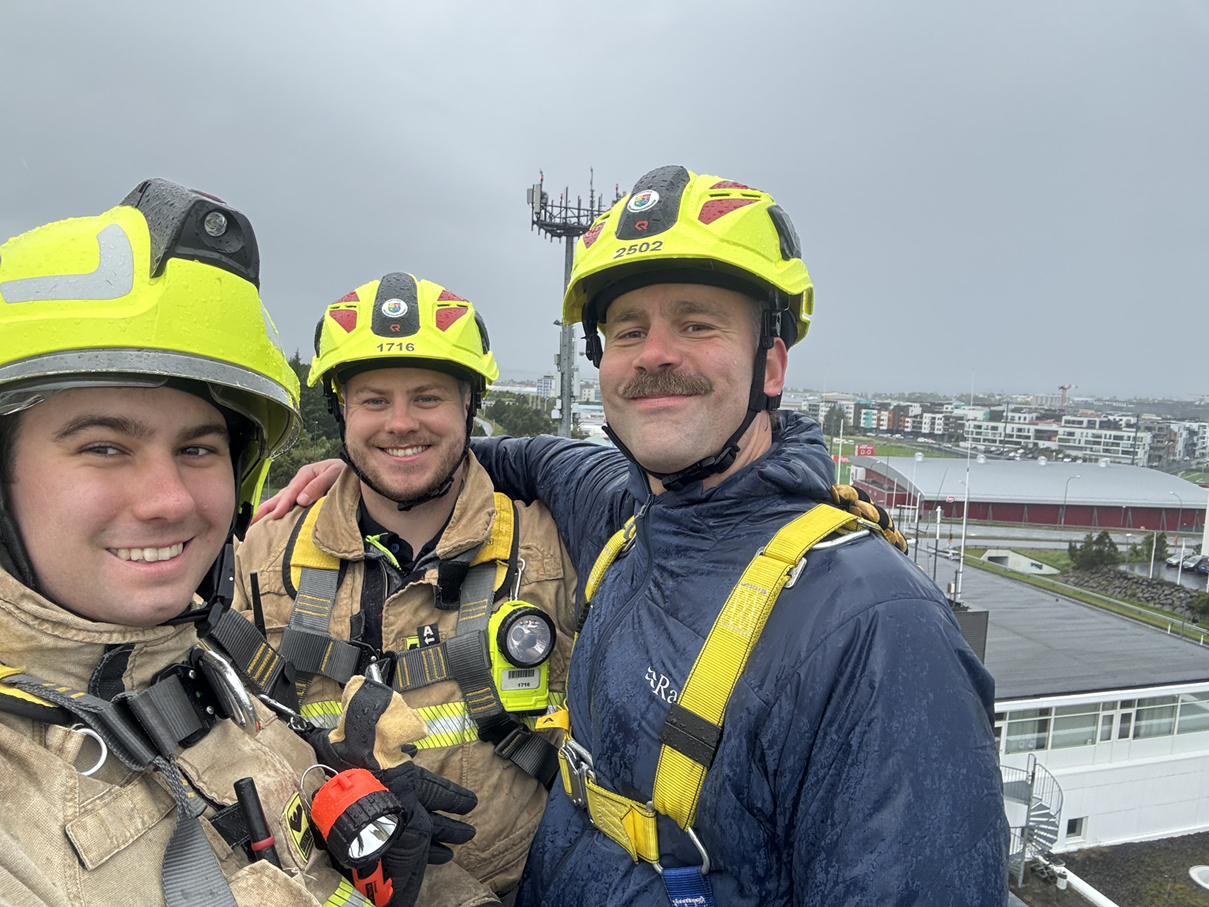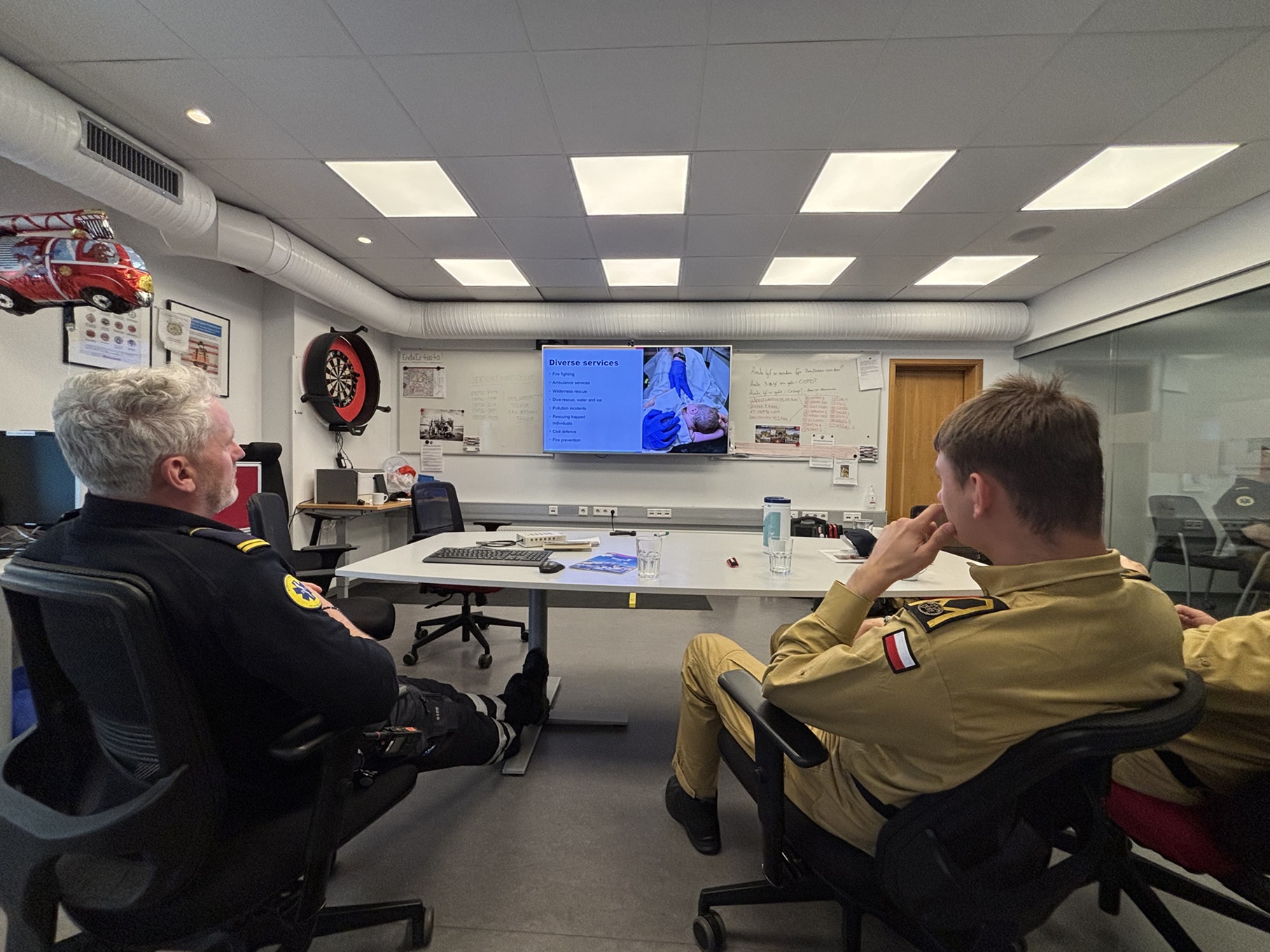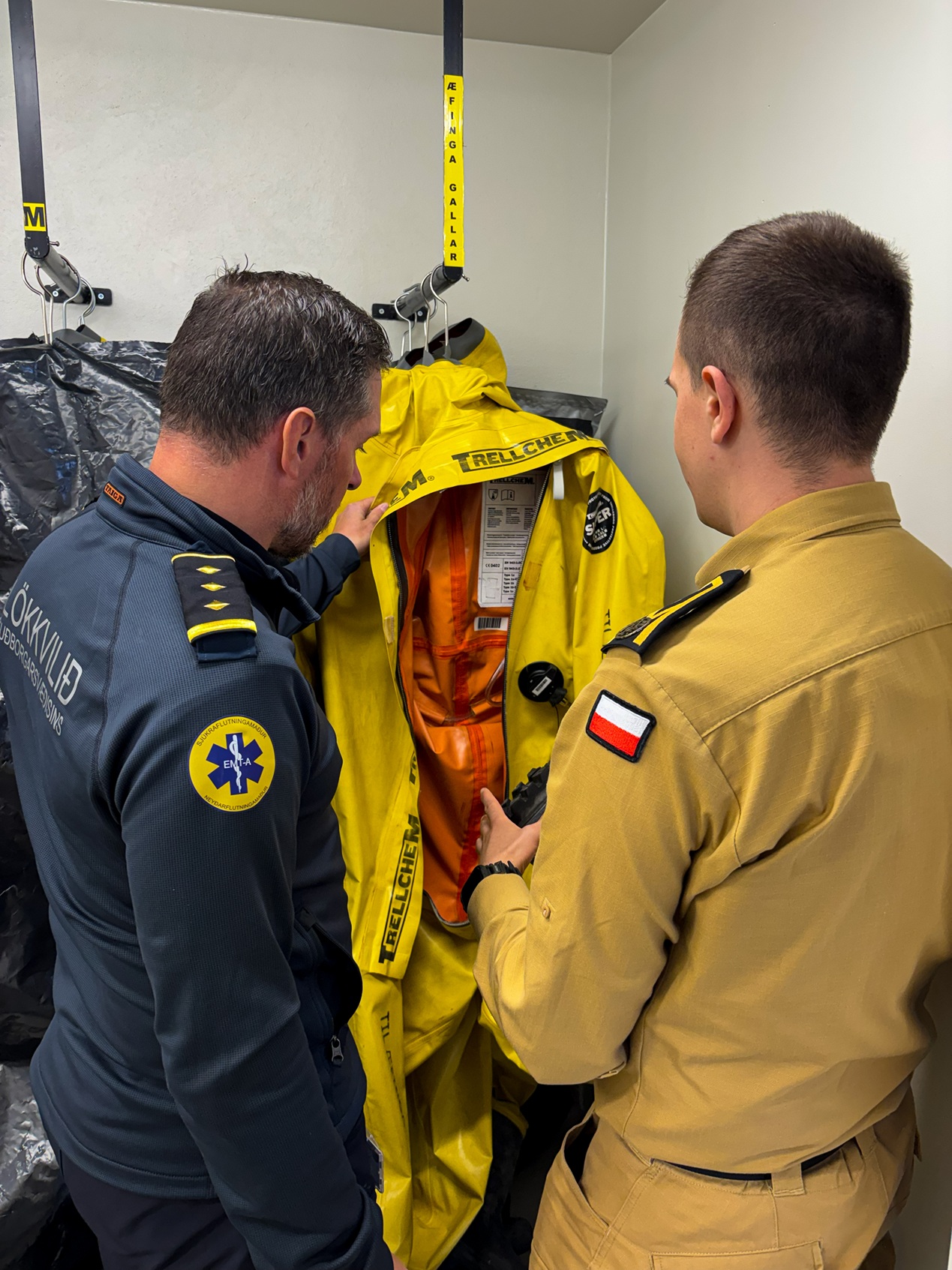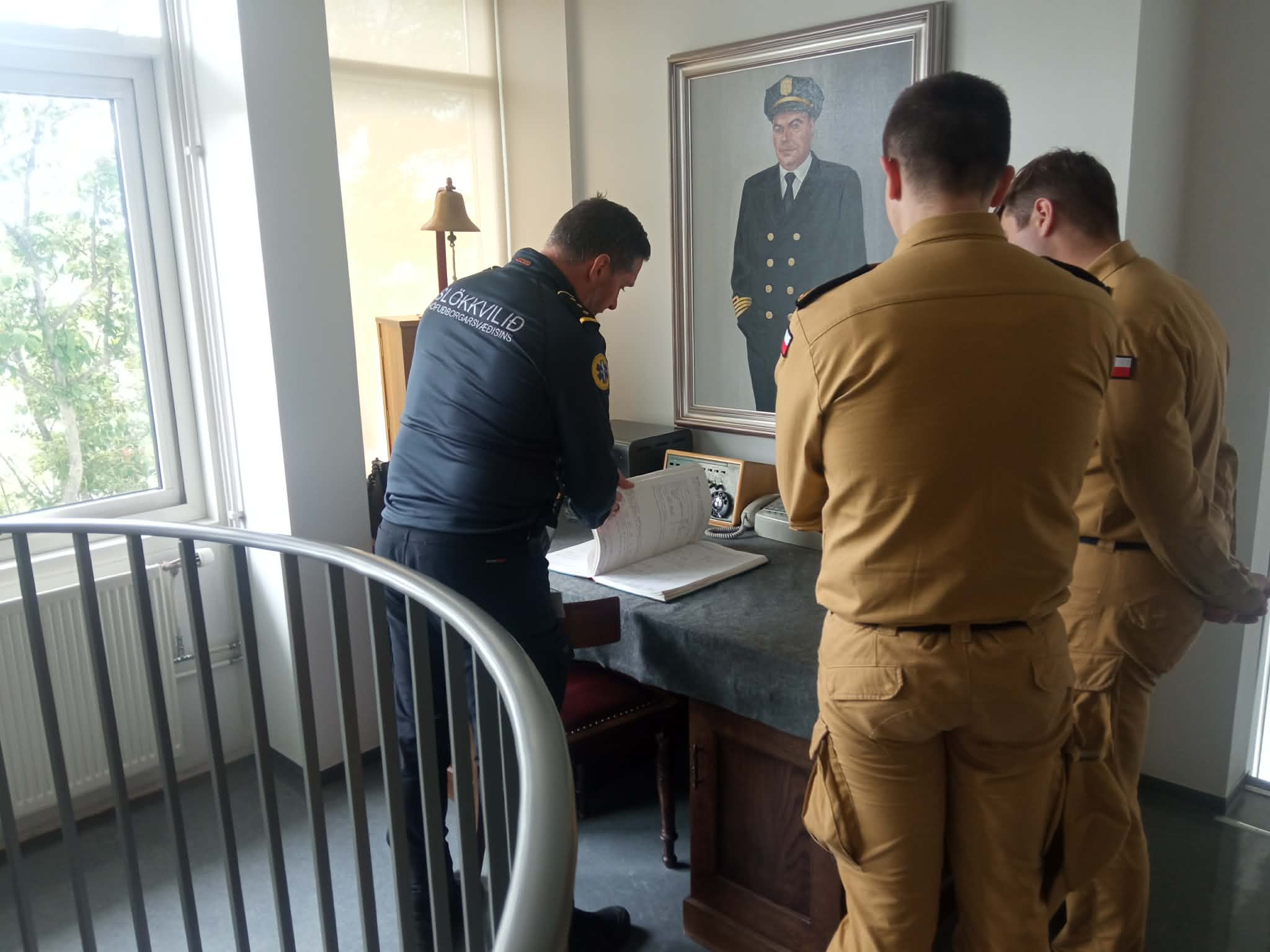
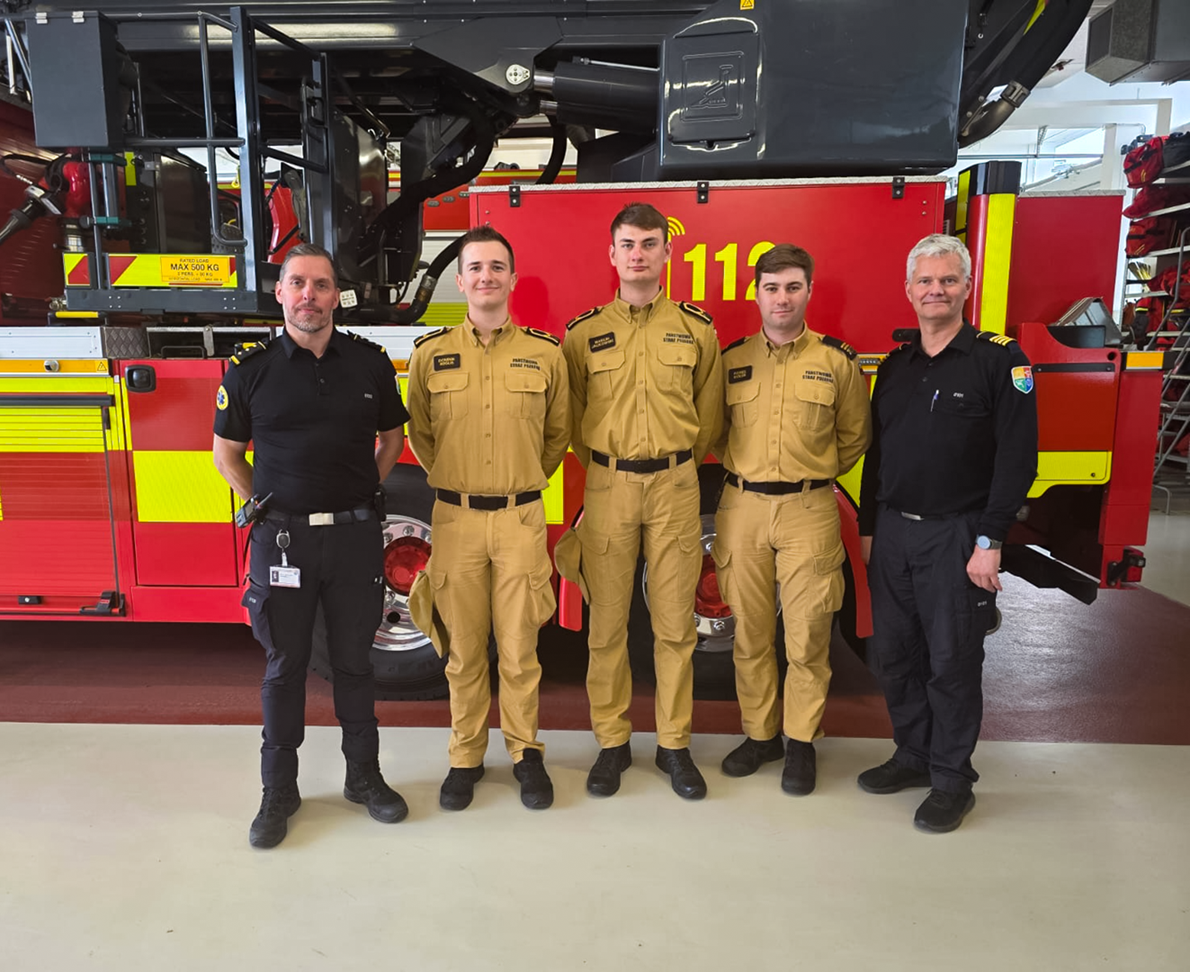
From July 6 to 10, 2026, a group of three cadets participated in a trip carried out under the Erasmus+ program to Slökkvilið höfuðborgarsvæðisins (SHS)—the fire and rescue service of the Icelandic Capital Region. It was a week of intensive learning, exchanging operational experiences, and exploring a unique civil protection system.
During the first days of the visit, the participants familiarized themselves with the functioning of the Icelandic rescue and civil protection system. They learned about the principles of cooperation between various rescue and law enforcement services, both within the capital region and across Iceland as a whole. The stay also provided an excellent opportunity for a direct comparison of rescue operation tactics used in Iceland and Poland.
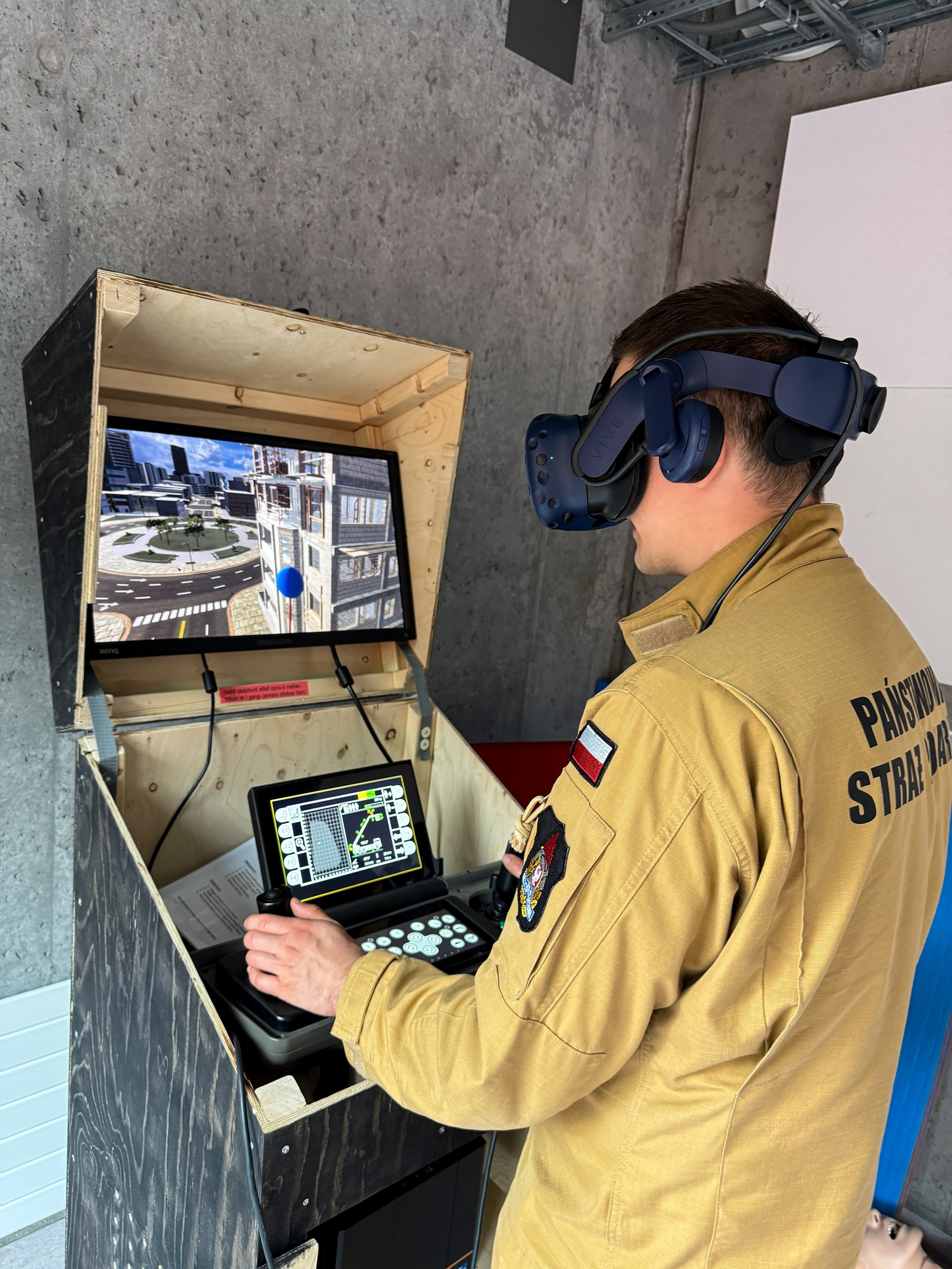
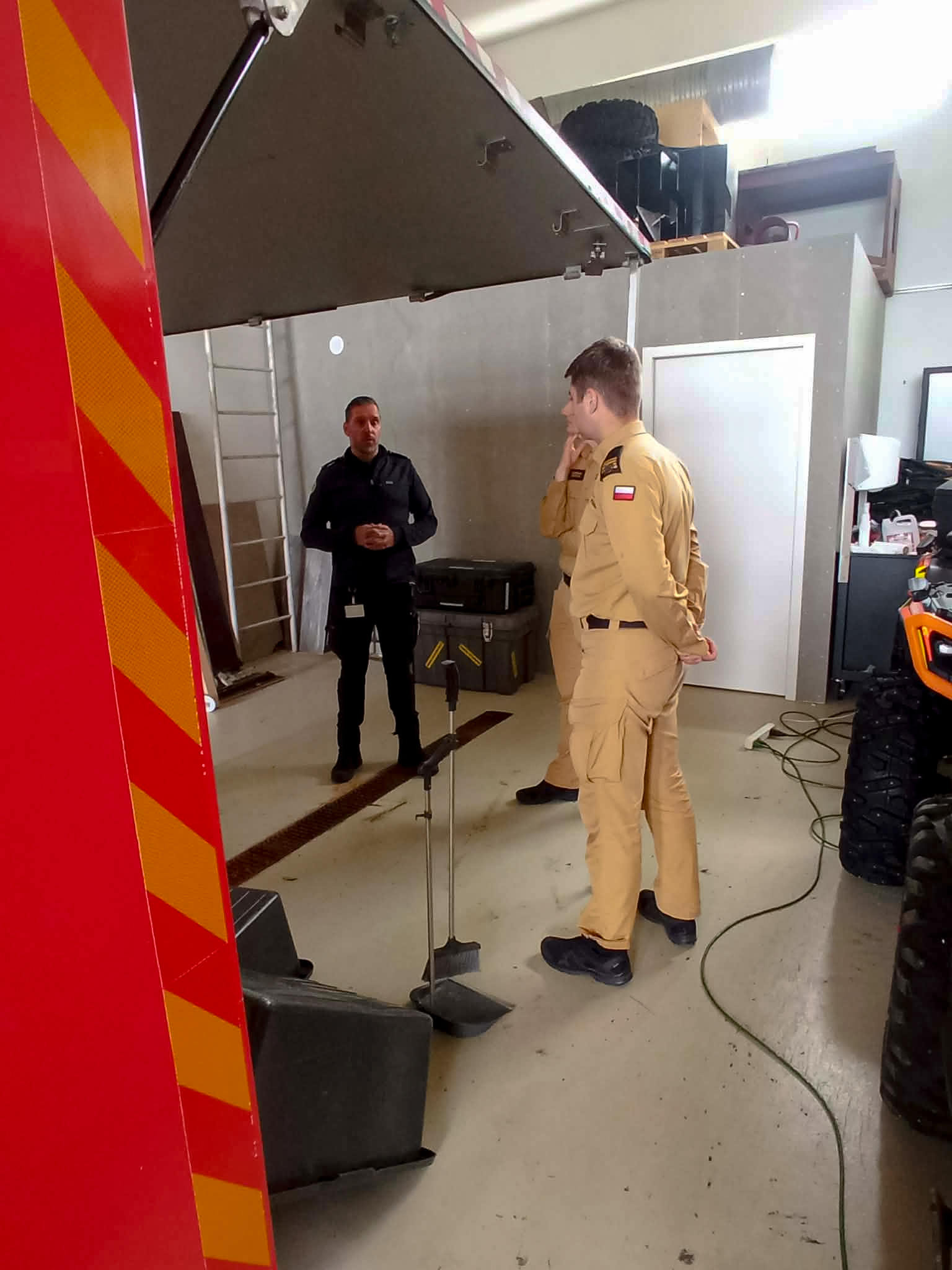
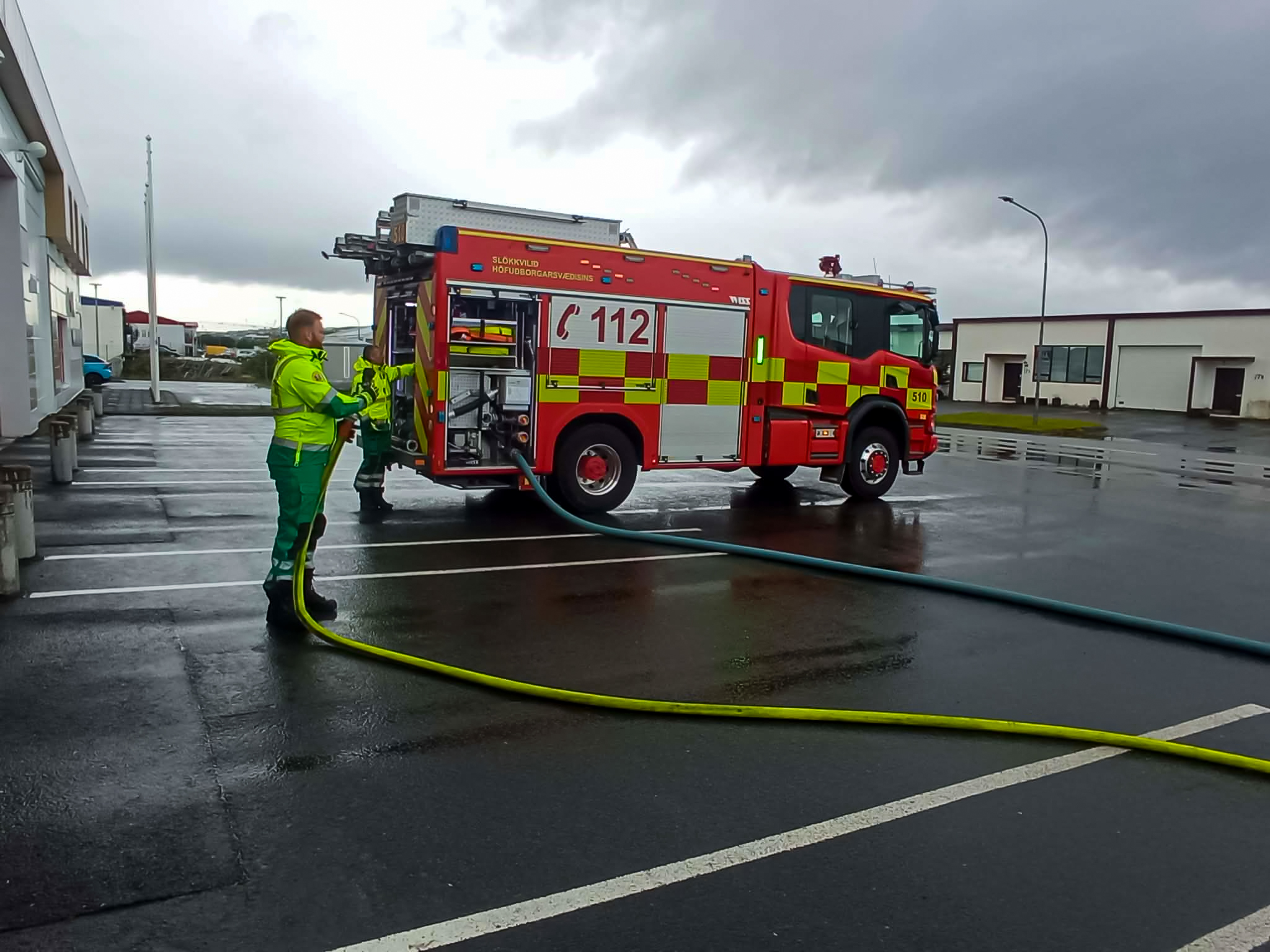
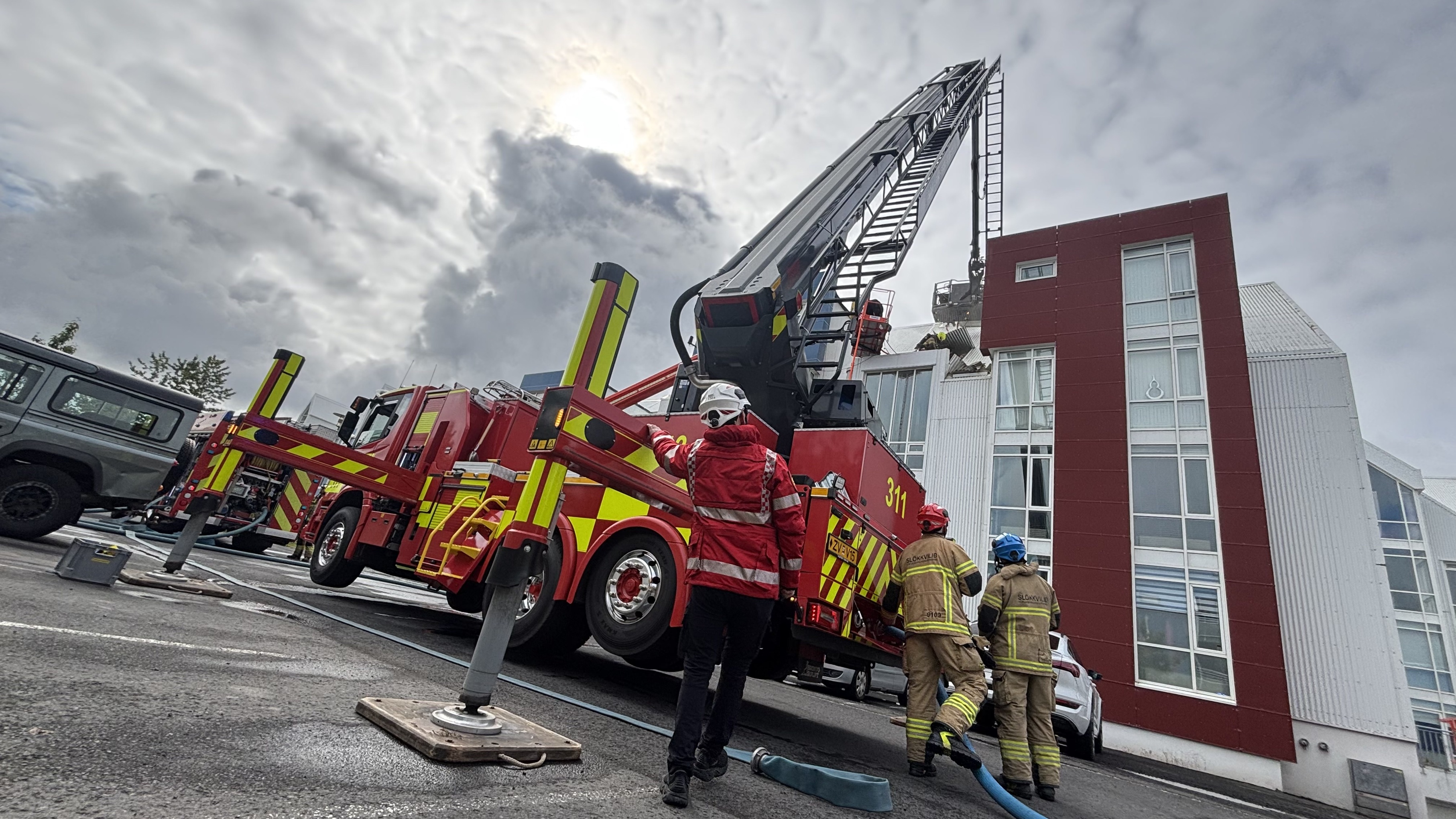
An exceptional element of the mobility was the opportunity to closely observe the daily work of Icelandic firefighters. The Polish cadets accompanied their Icelandic colleagues during their shifts at fire and rescue stations. This allowed them to become acquainted with the operation of the stations, the organization of shift routines, and the equipment found in Icelandic fire engines.
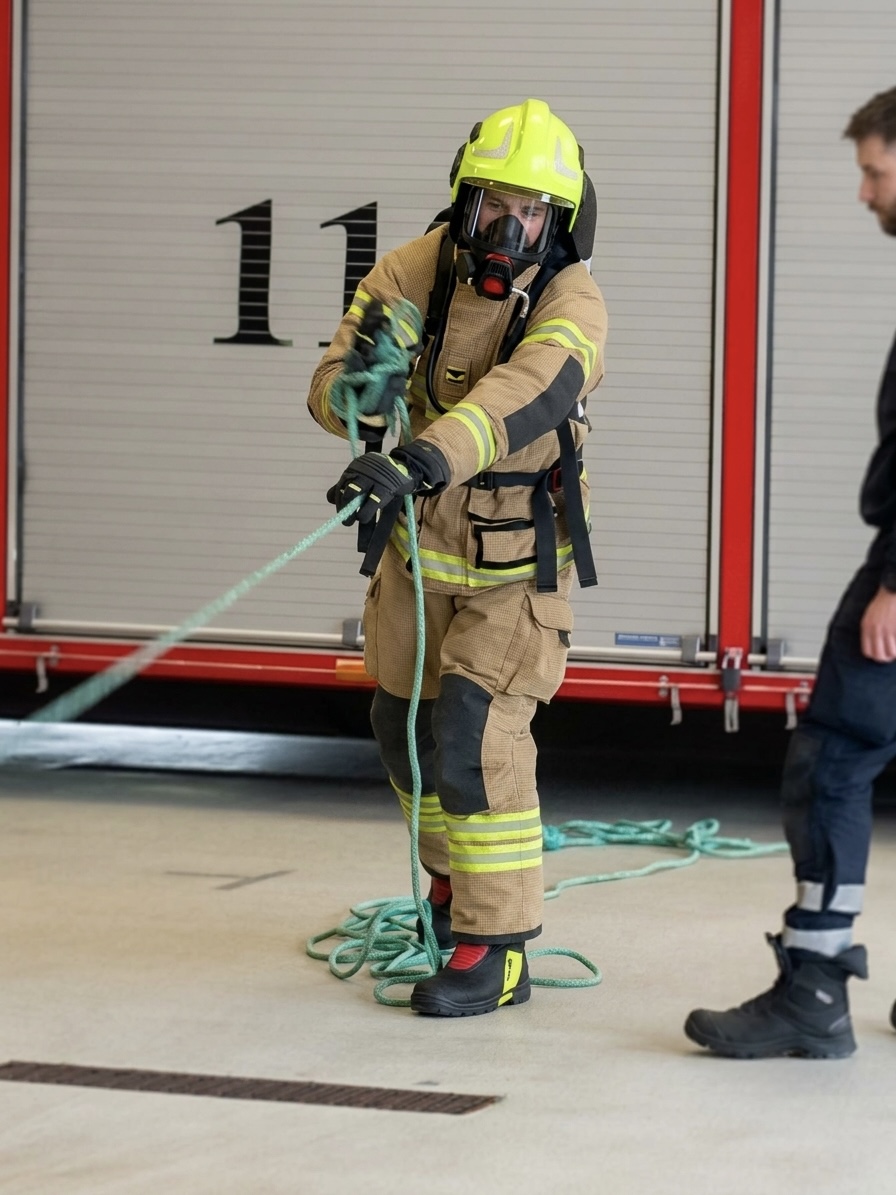
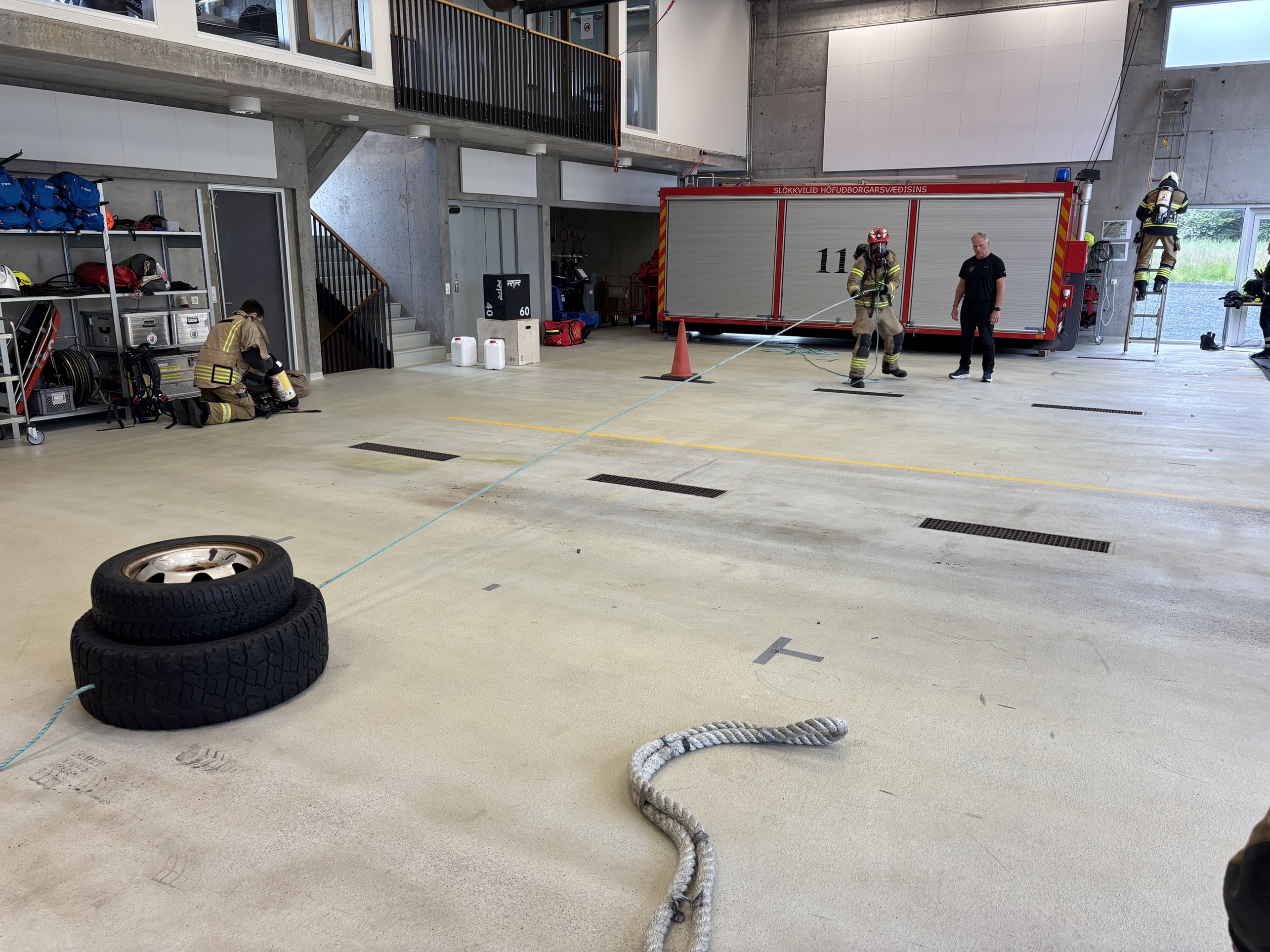
Later in the program, the cadets had the opportunity to learn in detail about the Icelandic recruitment and selection system for service candidates. To fully understand the specifics of local requirements, the Polish firefighters took an active part in a physical fitness test, measuring themselves against the criteria set for Icelandic rescuers.
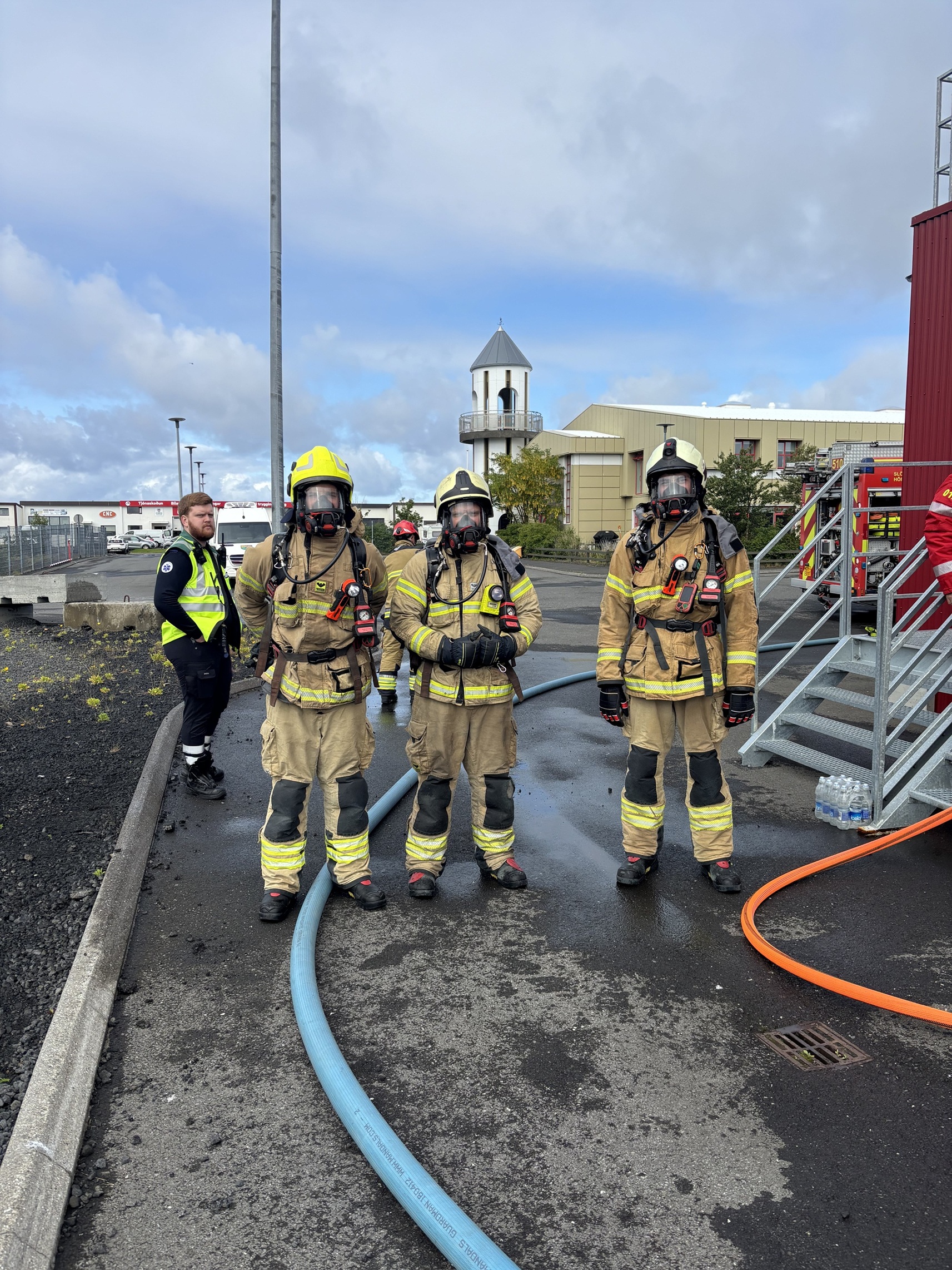
On the final day of the mobility, the cadets participated in specialized exercises on interior firefighting techniques. The training took place in the SHS's modern internal fire simulator, where the students could practically exercise handling water streams and navigating safely in high-temperature and heavily smoke-filled environments.
The trip was a valuable opportunity to gain new knowledge, exchange experiences, and learn about the organization of rescue services in difficult climatic and geographical conditions. The acquired experiences will certainly pay off in the further education and future service of the cadets, simultaneously contributing to the strengthening of the Fire University's international cooperation.